
 Canada
 USA
USA Japan
Japan



What is it?
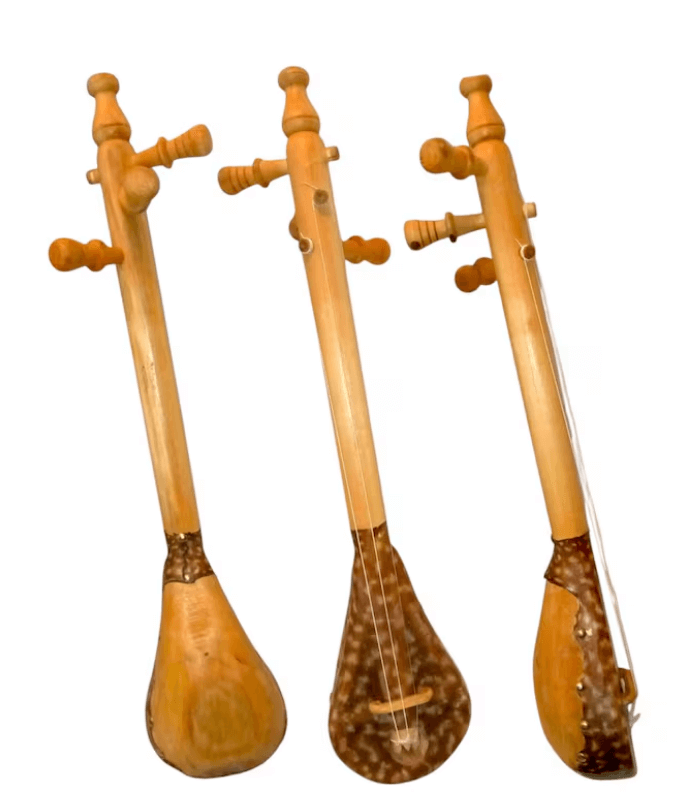
The Lotar is a traditional Moroccan string instrument, primarily used in Amazigh (Berber) music. It resembles a lute and is closely associated with the music of the Atlas Mountains, particularly played by the Amazigh communities in Morocco.
Material
- The body is handcrafted from solid wood, often walnut or cedar, for durability and deep resonance.
- The strings are traditionally made of gut or nylon.
- The soundboard is covered with animal skin, which enhances the instrument’s rich acoustic tones.
Uses
- Musical Performances: Used in traditional Amazigh folk music and storytelling.
- Cultural & Ritualistic Events: Played during festivals, ceremonies, and social gatherings.
- Decorative & Collectible Piece: A stunning handcrafted item for music lovers and collectors.
Decoration Technique
The Lotar is often carved with geometric and symbolic Berber motifs, reflecting the deep cultural heritage of Morocco’s indigenous people. Some artisans embellish it with metal, leather, or engraving for an even more authentic look.
Significance in Moroccan Traditions & History
The Lotar has been an essential instrument in Amazigh music for centuries. It is used by poets and storytellers to preserve oral history, conveying tales of love, resistance, and daily life. It holds a sacred place in Amazigh identity and continues to be played in Gnawa and folk ensembles, keeping Morocco’s musical heritage alive.



Reviews
Clear filtersThere are no reviews yet.