
 Canada
 USA
USA Japan
Japan


What is it?
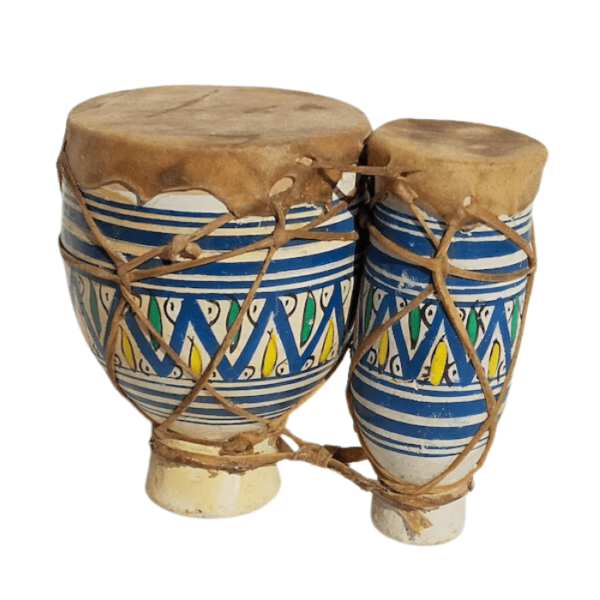
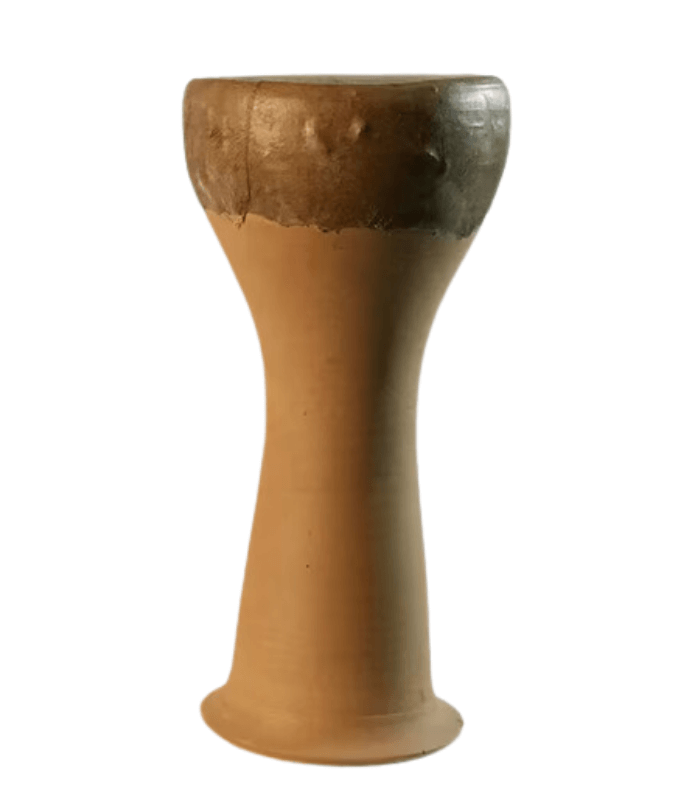
The Taârija is a traditional Moroccan percussion instrument, widely used in folk and festive music. This small, single-headed drum produces a sharp, rhythmic sound, making it a key element in Gnawa, Chaabi, and Berber music.
Material:
The Taârija is made from handcrafted clay or wood, with a drumhead typically made from goat or fish skin, stretched tightly to create resonant beats.
Uses:
- Music & Dance: Used in traditional Moroccan weddings, festivals, and street performances.
- Rhythm & Sound: Produces both deep bass and high-pitched tones, making it essential for Moroccan folk rhythms.
- Cultural Expression: Played solo or in ensembles, often accompanying songs and storytelling.
Decoration Technique:
The body is hand-painted with Berber or Andalusian motifs, featuring geometric patterns, natural dyes, and symbolic engravings that reflect Morocco’s artistic heritage.
Cultural Significance in Moroccan Traditions & History:
The Taârija is deeply rooted in Moroccan musical heritage. It is often played by both men and women during Moussem (traditional festivals), Aïta (Bedouin music), and spiritual Sufi gatherings. This instrument symbolizes joy, celebration, and Moroccan identity, carrying rhythms that have been passed down for centuries.


Reviews
Clear filtersThere are no reviews yet.