
 Canada
 USA
USA Japan
Japan


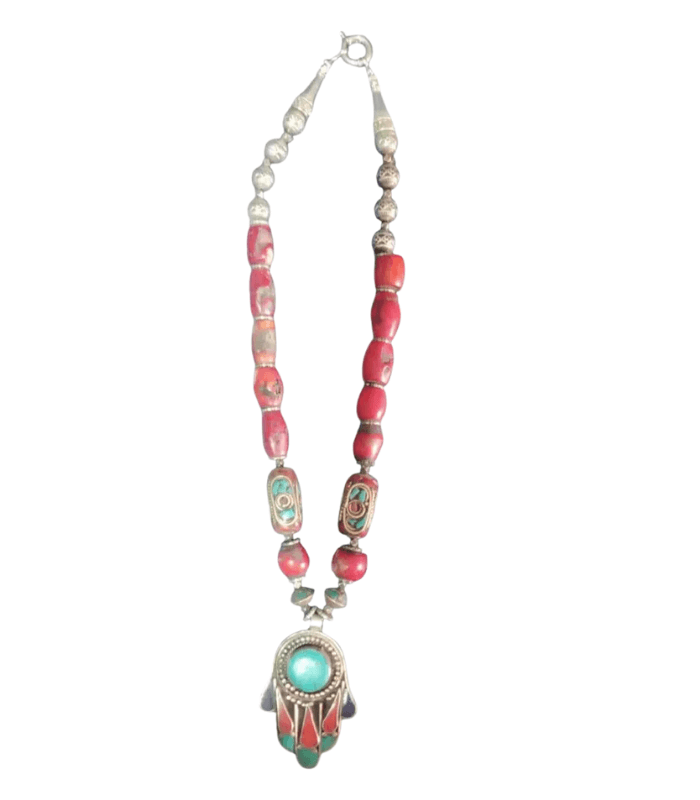

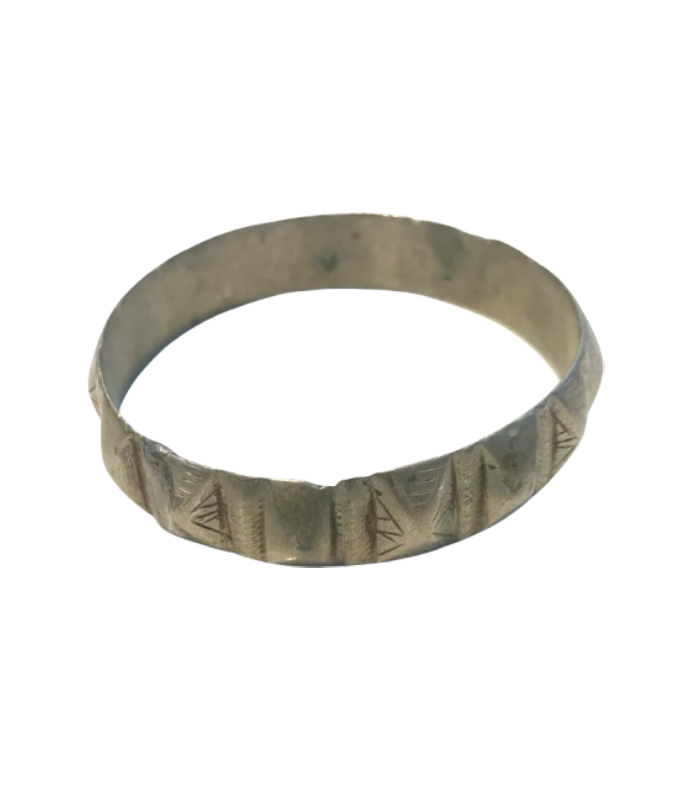
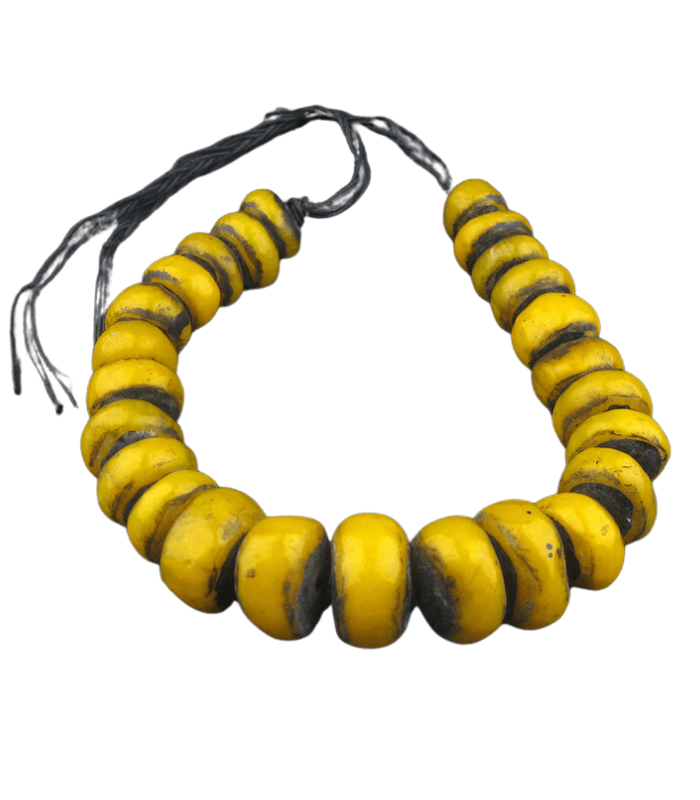
Description: This exquisite Moroccan ethnic jewelry is a stunning testament to the rich cultural heritage and craftsmanship of Morocco. Each piece is meticulously handmade by skilled artisans using traditional techniques passed down through generations. The jewelry is not just an accessory; it’s a symbol of Moroccan artistry, history, and tradition.
Materials: The jewelry is made from a variety of high-quality materials including brass, silver, copper, and sometimes, semi-precious stones such as turquoise, coral, and lapis lazuli. These metals and stones are carefully chosen for their durability, beauty, and deep connection to Moroccan culture. Intricate beads, shells, and glass elements may also be incorporated into the design, adding texture and color to the finished pieces.
Uses: Moroccan ethnic jewelry is versatile and can be worn for special occasions, daily wear, or as an important part of ceremonial dress. It includes necklaces, earrings, bracelets, and rings, often worn by women to signify status, wealth, and beauty. It can also be given as a meaningful gift to mark important events like weddings, births, or other milestones in Moroccan society.
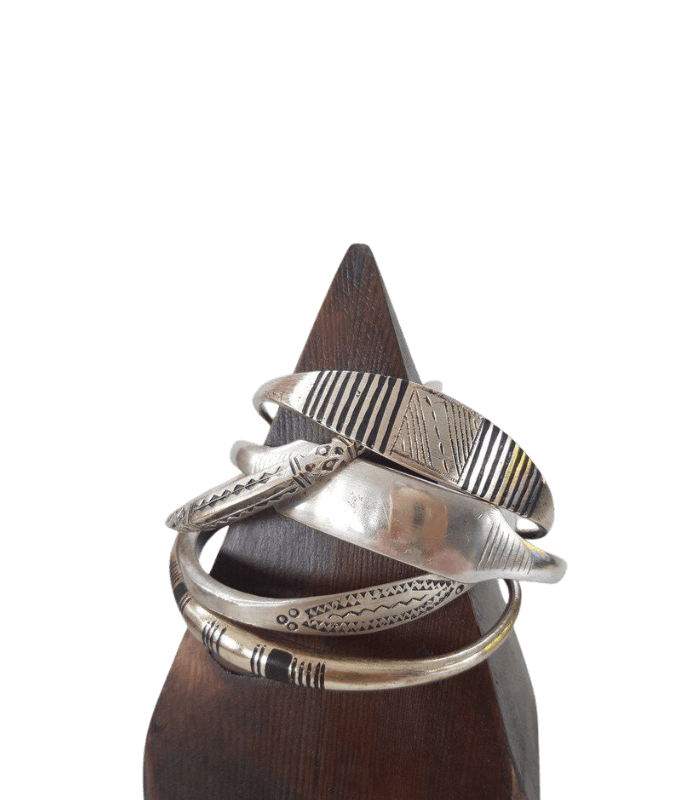
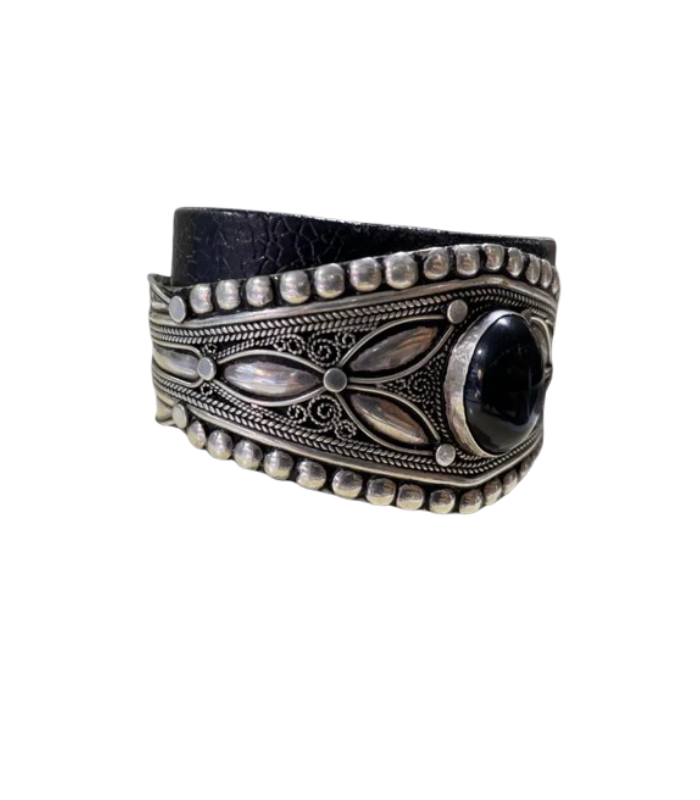
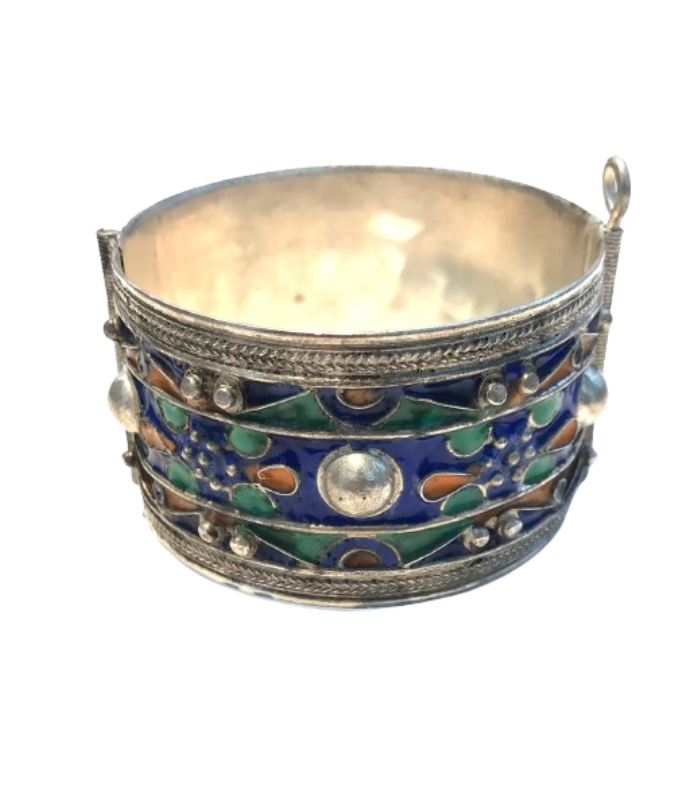
Decoration Techniques: The jewelry features a variety of traditional decorative techniques, such as filigree work, where thin threads of metal are twisted into intricate designs. Chiseled patterns, engraving, and casting are also commonly used to create detailed textures and motifs, many of which are symbolic. Beads and stones are meticulously arranged to enhance the overall aesthetic, often reflecting the bright colors of Moroccan culture.
Cultural Significance: In Moroccan tradition, jewelry is far more than an adornment; it carries deep cultural and spiritual significance. The use of particular stones, like turquoise, is believed to bring good luck and protection. Many of the designs are symbolic, representing elements of the natural world, the cosmos, or religious and spiritual beliefs. Jewelry is often worn to convey identity, wealth, and even protection from the “evil eye.”
Historically, Moroccan jewelry was also a key part of dowries in weddings, signifying the bride’s status within her family and community. Each region in Morocco has its own distinct style of jewelry, influenced by Berber, Arab, and Andalusian cultures. For example, Berber jewelry is known for its bold, geometric designs and large, statement pieces, while Andalusian-inspired designs are often more delicate and intricate.
Whether worn as a statement piece or passed down through generations, Moroccan ethnic jewelry is a beautiful embodiment of the country’s vibrant traditions and rich history.

Reviews
Clear filtersThere are no reviews yet.